
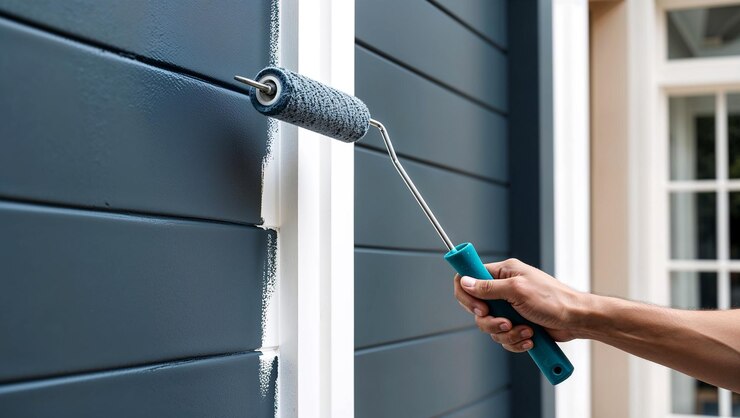
Colorado Springs is known for its stunning natural beauty, but it also presents unique challenges for homeowners when it comes to exterior maintenance. The state’s climate can be tough on your home’s exterior, especially when it comes to paint. The constant sun, dry air, and sudden weather shifts can cause your paint to fade, crack, or peel much faster than you might expect. Fortunately, with the right approach to exterior painting, you can protect your home and keep it looking beautiful for years to come.
In this guide, we’ll explore expert tips for exterior painting in Colorado Springs, focusing on climate-specific solutions to keep your home safe from the elements.
Why Exterior Painting Matters in Colorado Springs
Living in Colorado Springs means dealing with extreme sun exposure, especially at the city’s high elevation. The sun’s ultraviolet (UV) rays can break down paint quickly, causing it to fade and deteriorate. Additionally, Colorado’s dry climate leads to fluctuating temperatures and low humidity, which can cause your paint to crack and peel over time.
Even though your home’s exterior is designed to handle the weather, the paint on your home needs extra care and attention to withstand the challenges of living in Colorado. Choosing the right paint and preparing your home properly is key to ensuring your exterior looks fresh for years, while protecting your investment.
Choosing the Right Exterior Paint for Colorado’s Climate
Not all paints are created equal, and choosing the right type is crucial to ensuring your home stands up to Colorado’s unique climate. When selecting exterior paint, you should prioritize features like UV protection, moisture resistance, and durability.
Weather-Resistant Paints
Weather-resistant paints are designed to protect your home from the elements, particularly UV rays and moisture. These paints are engineered with high-quality pigments and resins that can withstand sun exposure and temperature changes. They also help prevent cracking and peeling caused by dry air.
Key Features to Look For:
- UV Protection: Paints with built-in UV protection will prevent your home’s exterior from fading over time, especially in Colorado’s bright, sunny climate.
- Moisture Resistance: Given Colorado’s dry conditions, moisture resistance helps to prevent paint from absorbing water, which could cause it to bubble or peel.
- Elasticity: Paints with more elasticity can expand and contract with changes in temperature, preventing cracking and peeling from the shifts between hot and cold.
Recommended Paint Types and Finishes for Colorado Homes
For Colorado Springs homes, consider using high-quality acrylic paints, which are known for their durability and weather resistance. These paints also provide a smooth finish and are less likely to peel than other types of paint. A satin or semi-gloss finish is ideal for most exteriors, as it is durable, easy to clean, and offers a slight sheen that can add curb appeal.
Some well-known paint brands that perform well in Colorado’s climate include Sherwin-Williams, Behr, and Benjamin Moore. Their outdoor paints come with built-in UV protection, elasticity, and long-lasting durability—perfect for homes in areas with extreme weather fluctuations.
Prep Work: Getting Your Home Ready for Exterior Painting
Proper preparation is essential to achieving a long-lasting, smooth paint job. Skipping prep work may result in uneven coverage, peeling paint, and an overall disappointing finish. Here’s how to prepare your home’s exterior for painting:
Clean the Surface
Start by washing the exterior to remove dirt, debris, and mildew. Use a pressure washer or a hose with a scrub brush to clean the surface thoroughly. Allow the surface to dry completely before proceeding to the next step.
Scrape and Sand
Any loose, cracked, or peeling paint should be scraped off. Use a paint scraper or wire brush to remove the old paint. Once the surface is clean, sand it down to create a smooth, even surface for the new paint.
Repair Damage
Inspect the exterior for any signs of damage, such as wood rot, cracks, or holes. Fill small holes with a patching compound and repair any damaged siding or trim before painting.
Prime the Surface
Priming is particularly important in Colorado’s climate. The primer helps the paint adhere better, seals the surface, and prevents moisture from seeping into your walls. Make sure to choose a high-quality primer suited for your surface material (wood, stucco, vinyl, etc.).
Best Seasons and Weather Conditions for Painting in Colorado
Choosing the right time to paint your home can make all the difference in the quality and longevity of your paint job. Colorado’s weather can be unpredictable, but there are certain times of the year that are more favorable for exterior painting.
Spring and Early Fall
The best time to paint your home’s exterior in Colorado Springs is during spring or early fall. These seasons offer mild temperatures and relatively low humidity, which helps the paint dry and cure properly. The ideal temperature range for painting is between 50°F and 85°F, so avoid painting during the hottest months of summer or the coldest months of winter.
Avoid Rain and Wind
Rain and wind can disrupt your paint job, causing the paint to dry too quickly or unevenly. It’s important to monitor weather forecasts and avoid painting on windy or rainy days. You’ll also want to ensure that temperatures are not dropping too low at night, as this can affect the curing process.
Application Techniques for Long-Lasting Results
Now that your home is prepped and the weather is right, it’s time to apply the paint. The application technique you use will impact the final result and the durability of the paint.
Brush, Roller, or Sprayer?
The application method depends on the surface you are painting and the finish you want. Here are some common methods:
- Brush: Great for smaller areas, edges, and detailed trim. It provides control and precision.
- Roller: Ideal for larger flat areas like walls or siding. It covers a large surface area quickly and evenly.
- Sprayer: Perfect for larger projects or homes with intricate details. It provides a smooth, even coat but requires more skill and experience.
Multiple Thin Coats vs. One Thick Coat
It’s always better to apply several thin coats of paint rather than one thick coat. Thin coats dry faster, provide a more even finish, and are less likely to crack or peel. Allow each coat to dry completely before applying the next.
Exterior Paint Maintenance Tips for Colorado Homes
Once your paint job is complete, regular maintenance is key to keeping your home looking fresh. Regular maintenance also extends the life of your paint job, saving you from having to repaint too soon.
Annual Inspections
Inspect your home’s exterior every year for signs of peeling, cracking, or fading. Address minor issues early to avoid bigger problems down the road.
Clean Your Exterior
Every few months, gently clean your exterior walls using a soft cloth or sponge and a mixture of water and mild soap. Avoid harsh chemicals that can damage the paint. This helps prevent dirt buildup, mildew growth, and fading.
Touch Up When Necessary
If you notice any chips or scratches, touch up the affected areas with leftover paint. Keeping extra paint on hand (labeled properly) makes it easy to fix small issues before they become larger problems.
Signs It’s Time to Repaint Your Exterior
Even the best exterior paint jobs eventually need to be touched up or repainted. Here are some common signs it’s time for a new coat of paint:
- Peeling or Cracking: This is one of the most obvious signs that your paint is failing. If large sections of your exterior are peeling or cracking, it’s time to repaint.
- Fading or Chalking: The sun’s UV rays can cause paint to fade over time, especially in Colorado’s high-altitude climate. Chalking (when the paint appears powdery) is also a sign of wear.
- Moisture Damage: If you see water stains or mildew on your exterior, it may indicate that moisture has gotten beneath the paint. This could lead to more severe damage if not addressed promptly.
- Diminished Curb Appeal: If your home’s exterior is looking dull or worn, a fresh coat of paint can dramatically boost its curb appeal and value.
Hiring Residential Painting Contractors in Colorado Springs
While DIY painting is an option for some homeowners, working with a professional painting contractor offers several benefits, especially in a challenging climate like Colorado’s. A professional contractor will have the experience, tools, and expertise to handle exterior painting jobs efficiently and with high-quality results.
What to Look for in a Painting Contractor:
- Experience with Local Conditions: Make sure your contractor understands the unique challenges of painting in Colorado Springs.
- Proper Licensing and Insurance: Always hire a licensed and insured contractor to ensure you’re protected.
- Attention to Detail: Ask for references and photos of previous work to ensure the contractor delivers the quality you expect.
Why Choose EverCrest Painting?
At EverCrest Painting, we specialize in providing top-notch residential painting services for Colorado Springs homeowners. Our expert team understands how to handle the unique challenges posed by Colorado’s climate and can recommend the best paints and finishes for your home. With a focus on quality, efficiency, and customer satisfaction, we ensure your exterior painting project is completed on time and with the best possible results.
Climate-Specific Design and Color Tips
When choosing a color for your home’s exterior, it’s important to consider how Colorado’s climate and surroundings will affect the overall look. Lighter colors reflect sunlight, keeping your home cooler in summer, while darker colors absorb heat and can make a home feel warmer. Consider the landscape and natural surroundings when choosing your paint colors to ensure a harmonious look.
Conclusion
Protecting your home’s exterior from Colorado’s harsh climate doesn’t have to be difficult. By selecting the right paint, preparing your surfaces carefully, and maintaining your home regularly, you can ensure that your paint job lasts for years to come. Whether you choose to tackle the project yourself or hire a professional, keeping Colorado’s climate in mind is key to a successful and durable exterior painting job.
For expert help with your exterior painting needs, visit EverCrest Painting. Our team is ready to help you protect your home from the elements and keep it looking beautiful.
Related blog topics you may be interested in:
A Fresh, Modern Update: The Power of a Cohesive Interior Repaint
The Importance of Professional Commercial Interior Painting for Colorado Springs Businesses
Christmas in July? 7 Times of Year You Never Thought to Book a Painting Project (But Should)
When is the Right Time to Paint My Home Interior
Top Color Trends for Commercial Interiors in Colorado Springs
FAQs
How often should I repaint my home’s exterior in Colorado Springs?
Repainting every 5 to 10 years is typical, depending on factors like your home’s exposure to the elements and the condition of your paint. High-traffic areas and homes in harsher environments may need more frequent touch-ups.
What kind of paint holds up best in Colorado’s dry, sunny climate?
Acrylic paints with UV protection and moisture resistance are ideal for Colorado’s dry climate. These paints can withstand intense sun exposure, temperature shifts, and the low humidity, ensuring durability and long-lasting protection for your home’s exterior.
Can I paint my exterior in the winter?
Painting in winter is not ideal. Low temperatures can interfere with paint adhesion and drying. Spring or fall, when temperatures range from 50°F to 85°F, are the best times for exterior painting to ensure proper curing and finish.
What are the signs that my exterior paint is failing?
Signs of failing paint include peeling, cracking, fading, and chalking. These issues indicate that the paint is no longer adhering well, and moisture or UV rays are taking their toll. It’s time to start planning a repaint.
Why should I hire a local painting contractor in Colorado Springs?
Hiring a local painting contractor ensures they understand Colorado Springs’ unique climate and its effects on your home. They offer expert advice on the best paints and techniques tailored to withstand local weather conditions, ensuring a durable finish.