
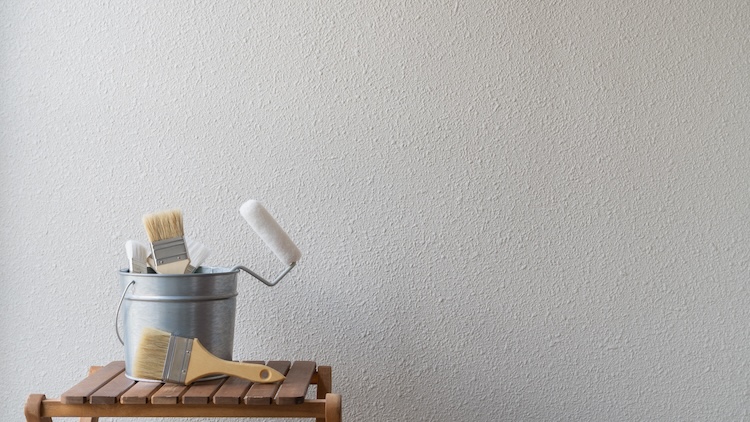
If you’re planning to refresh your home’s interior, one of the first questions you’ll ask is: Should I use a brush or a roller to paint my walls? As a trusted house painting company in Colorado Springs and Pueblo, Evercrest Painting often hears this from homeowners tackling DIY projects. While both tools have their place, choosing the right one depends on your goals, your surface, and your level of experience.
The Case for Paint Rollers
Rollers are typically the go-to tool for most interior painting projects, especially for large, flat surfaces like living room walls or bedroom ceilings.
Advantages of rollers:
- Cover large areas quickly
- Provide even, consistent coats
- Ideal for smooth or lightly textured walls
- Minimize streaks and brush marks
For DIY house painting in Colorado Springs, where drywall is common, a 3/8” to 1/2” nap roller is usually ideal. Just remember to overlap your strokes and keep a wet edge to avoid lap marks.
When Brushes Are the Better Choice
Paint brushes offer precision and control—two things rollers can’t match. They’re best for:
- Cutting in edges and corners
- Painting baseboards, trim, and molding
- Touch-ups and tight spaces
- Surfaces with intricate detail or texture
Using an angled sash brush is especially helpful when painting around windows, ceilings, and outlet covers.
That said, brushing a full wall takes significantly longer and may leave visible brush strokes if not applied perfectly. This can be a challenge at Colorado’s higher altitudes, where dry air can cause paint to set faster than expected.
Can You Use Both? (Absolutely.)
The best results often come from using both a brush and roller together. At Evercrest Painting, our professional painting crews always cut in corners and trim first using brushes, then roll the remaining surfaces for a smooth, uniform look.
If you’re attempting DIY interior painting in Pueblo or Colorado Springs, this combo method is your best bet—though it takes time, skill, and preparation.
Additional DIY Tips for Interior Painting in Colorado Homes
- Watch the weather: Low humidity and high altitude mean paint dries quickly. Work in small sections and avoid painting in direct sunlight.
- Choose the right sheen: For walls, eggshell or satin finishes are most forgiving for beginners and easy to clean.
- Prep like a pro: Use painter’s tape, drop cloths, and sand glossy areas before painting. Clean walls thoroughly for optimal adhesion.
Still unsure what paint to use? The Colorado State University Extension offers useful insights into maintaining your home’s surfaces in our unique climate.
The Professional Alternative: Let Evercrest Handle It
While DIY projects can be rewarding, the reality is that painting isn’t always as simple as it seems. The right tools matter—but so does technique, surface prep, paint selection, and knowing how to avoid common mistakes like streaking, bubbling, or mismatched color coverage.
If you want flawless results, Evercrest Painting is here to help. As the top-rated painters in Colorado Springs and Pueblo, we bring:
- Expert prep and clean finishes
- On-time completion
- Friendly, professional crews
- Free color consultations and recommendations
Whether it’s one room or your whole house, we deliver picture-perfect results—without the mess, stress, or wasted weekends.
Get a Free Quote Today
Thinking about painting your home? Let’s talk! Whether you’re planning a full home makeover or need help fixing a DIY mishap, Evercrest Painting makes it easy. We serve homeowners across Colorado Springs, Pueblo, and surrounding areas.
Click here to request your free, no-obligation quote and see why so many Colorado homeowners trust Evercrest for interior and exterior painting. If a phone call works better for you, simply ring us at 719-362-5304.
Related blog topics you may be interested in:
A Fresh, Modern Update: The Power of a Cohesive Interior Repaint
The Importance of Professional Commercial Interior Painting for Colorado Springs Businesses
Christmas in July? 7 Times of Year You Never Thought to Book a Painting Project (But Should)
When is the Right Time to Paint My Home Interior
Top Color Trends for Commercial Interiors in Colorado Springs