
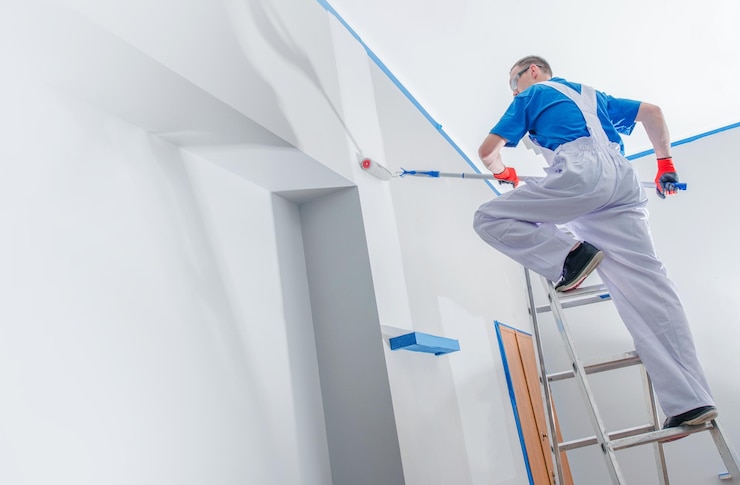
The exterior of your home presents the first impression to visitors and potential buyers alike. Enhancing curb appeal is not merely about aesthetic joy but also about increasing property value. A strategic exterior painting approach achieves both. This article explores innovative exterior painting techniques, examining their critical role in transforming your home’s facade and boosting its market attractiveness.
Exterior painting is a critical aspect of home maintenance and aesthetic enhancement. The practice, steeped in artistry and skill, reflects the owner’s style, offers protection from the elements, and raises the property’s value. It is especially pertinent in the United States, where seasonal weather changes impose harsh conditions on homes. By utilizing innovative painting techniques, homeowners can retain and enhance their property’s allure, thereby securing their investment.
Crafting a Visual Identity Through Exterior Design
In today’s competitive landscape, incorporating brand identity into commercial building exteriors is more than just a design choice—it’s a strategic move that shapes how your business is perceived. A well-designed facade instantly communicates your company’s personality, professionalism, and values. It helps establish a sense of trust and credibility, often before a customer even walks through the door. Colour schemes, architectural elements, textures, and finishes all play a role in reinforcing your brand message in a tangible, visual way.
Beyond aesthetics, your building’s exterior becomes a daily, real-world advertisement—visible to everyone who passes by. It signals your place in the market and sets expectations about the experience clients or customers can anticipate. When your exterior design is consistent with your brand’s tone and messaging, it creates a seamless experience that boosts recognition and recall. It’s about turning your physical space into an extension of your marketing strategy, one that speaks volumes without saying a word.
Embracing Innovation and Future Possibilities
With the rapid growth of design technologies and sustainable materials, the future of branded commercial exteriors is brighter than ever. These tools are empowering businesses to design smarter, more engaging, and more sustainable spaces that evolve with the times.
Key opportunities include:
- Smart technology integration – Tools like LED displays and kinetic façades allow your building to dynamically reflect brand messaging or seasonal promotions.
- Virtual and augmented reality – Design teams can now visualise and test branding elements in 3D environments before construction even begins.
- Sustainable design practices – Eco-conscious brands can showcase their values by incorporating solar panels, green walls, and recyclable materials.
- Modular design features – Flexible design elements make it easy to refresh your look without major renovations, keeping the brand experience current.
- Interactive branding – Exterior touchscreens or scannable QR codes offer new ways to connect with people on the street.
Looking to make your building part of your brand story? Explore Evercrest Painting and discover how we help businesses bring their identity to life with expert exterior finishes.
The Role of Texture in Exterior Painting
When it comes to exterior painting, most people focus on colour—but texture is just as important for creating a standout finish. The right texture can bring a building’s facade to life, adding dimension and character that flat paint simply can’t achieve. It creates visual interest that draws the eye and enhances the overall design of the home.
Different texturing techniques offer varied effects:
- Sponging – Adds a soft, cloud-like appearance that blends well with natural surroundings.
- Rag rolling – Creates a marbled effect, offering a sense of movement and fluidity.
- Stippling – Produces a dotted texture that helps diffuse light and soften harsh edges.
- Sand and stone finishes – Offer a natural, rugged look that blends seamlessly into landscaped settings.
In addition to its aesthetic appeal, textured paint is excellent at hiding surface imperfections and can improve durability—especially in high-exposure areas prone to wear and tear.
Eco-Friendly Paints: A Growing Imperative
As environmental concerns continue to shape consumer choices, eco-friendly paints have become an increasingly popular option for both residential and commercial projects. These paints not only reduce environmental impact but also contribute to healthier indoor and outdoor spaces.
Key benefits of eco-friendly paints include:
- Low or zero VOCs (volatile organic compounds) – Reduce harmful emissions that affect air quality and human health.
- Safer for families and pets – Especially important for homes with young children, elderly residents, or anyone with allergies.
- Sustainable manufacturing processes – Often made using renewable resources and environmentally responsible production methods.
- Improved performance – Many eco paints now offer excellent durability, colour retention, and weather resistance.
Choosing eco-friendly paint isn’t just about following a trend—it’s a thoughtful decision that reflects your commitment to sustainability and wellbeing. It allows you to beautify your property while doing your part for the planet.
Pre-Painting Preparation: Foundation for Success
Successful exterior painting goes far beyond just picking the right colour. It starts with comprehensive preparation to ensure the paint adheres properly and lasts longer. By investing time in cleaning, repairing, and priming surfaces, you create a solid foundation for a flawless finish that will stand up to the elements.
Key pre-painting steps include:
- Cleaning – Power-washing removes dirt, mildew, and old paint, ensuring a smooth surface for the new coat.
- Repairs – Filling in cracks and holes prevents the paint from settling unevenly, providing a uniform surface.
- Priming – A good primer helps the paint adhere better, especially on porous or repaired areas, and prevents peeling.
By taking the time to prepare surfaces thoroughly, you not only improve paint adhesion but also extend the lifespan of your exterior paint. This reduces the need for frequent touch-ups and saves you money on future maintenance.
Innovative Painting Tools and Technologies
Technological advancements have transformed how exterior painting projects are completed, introducing tools that enhance both efficiency and precision. These innovations help professional painters deliver faster, smoother, and higher-quality results.
Notable tools and technologies include:
- Airless paint sprayers – Offer faster application with a more even coat, covering larger areas in less time.
- Advanced brushes and rollers – Designed for smoother finishes, these tools provide better control, reducing streaks and imperfections.
- Digital colour visualization tools – Allow homeowners to experiment with different colour combinations virtually, making the selection process easier and less risky.
- Self-cleaning brushes and sprayers – Reduce the cleanup time after a project, improving overall efficiency.
These innovations not only streamline the painting process but also ensure better outcomes, giving homeowners and businesses the confidence that their exterior will look flawless for years to come.
Professional vs. DIY Exterior Painting
Deciding whether to hire professional painters or tackle the job yourself depends on several factors, including budget, skill level, and the project’s complexity. Professional painters bring years of experience, access to premium materials, and a high standard of workmanship that guarantees a flawless finish.
Benefits of hiring professionals:
- Expertise and efficiency – Professionals know how to handle all aspects of exterior painting, from prep work to choosing the right materials.
- Quality results – With the right tools and techniques, they deliver long-lasting, smooth, and durable finishes.
- Time-saving – Professionals can complete the job faster, sparing you the stress and time commitment of a DIY project.
On the other hand, DIY painting can be a satisfying, budget-friendly choice for those with the skills, tools, and time to invest. It allows you to personalise your space, but it may lack the professional touch, especially for larger or more complex jobs.
Customization: Unique Finishes That Stand Out
Customization in exterior painting allows homeowners to truly personalise their homes, turning the outside into a striking visual statement. Today’s trends have moved beyond traditional colour schemes, enabling individuals to incorporate unique finishes that reflect their personality and style.
Popular customization options include:
- Murals and artistic designs – Hand-painted elements can create bold, eye-catching focal points that stand out in the neighbourhood.
- Custom colour combinations – Layering different shades or using contrasting colours enhances architectural features, adding depth and character.
- Specialized finishes – Techniques such as metallic finishes, textured surfaces, or chalkboard paint offer an original, one-of-a-kind look.
- Themed exteriors – Incorporating designs that match personal interests or the surrounding environment, like beach themes or natural earthy tones.
These customisation options transform a regular home into a distinctive piece of art, elevating curb appeal and showcasing individual creativity.
Maintenance: Preserving Your Investment
Regular maintenance is crucial for keeping your exterior paint job looking fresh and protecting it from the elements. Neglecting maintenance can lead to premature wear, fading, and the need for costly repaints. By staying on top of minor touch-ups and inspections, you ensure your home continues to reflect the care you’ve put into it.
Key maintenance practices include:
- Cleaning surfaces – Regularly washing away dirt, grime, and mildew helps maintain the vibrancy of the paint.
- Touching up chips and cracks – Quickly addressing minor damage prevents further deterioration and preserves the integrity of the finish.
- Annual inspections – Checking for signs of wear, peeling, or moisture damage early on allows you to resolve issues before they worsen.
Proactive maintenance not only preserves the aesthetic appeal of your home but also protects the long-term value of your investment. Consistent care keeps your exterior in top shape year after year.
Impact of Climate: Adapting Techniques for Longevity
Climate plays a significant role in how well an exterior paint job holds up over time. Weather conditions, including temperature fluctuations, humidity, and exposure to sunlight, can all impact the lifespan and appearance of your paint. By choosing the right materials and techniques for your specific climate, you can maximise the durability of your exterior paint and reduce the frequency of repainting.
Consider these climate-based adaptations:
- High humidity – Opt for mildew-resistant paints and finishes to prevent mold and mildew growth, especially in moist or coastal regions.
- Hot, sunny climates – Use UV-blocking paint formulas to protect against sun damage, fading, and cracking.
- Cold or freezing conditions – Choose paint that is designed for lower temperatures, ensuring flexibility and resistance to cracking.
- Wind and rain exposure – Opt for moisture-resistant, durable coatings that can withstand harsh weather conditions.
Tailoring your painting choices to local climate conditions ensures your home’s exterior remains protected and vibrant for longer, saving you time and money on upkeep.
Key Takeaways
Enhancing curb appeal through innovative exterior painting techniques combines both aesthetic value and investment potential. By understanding color psychology, embracing current painting trends, and utilising advanced technologies, homeowners can significantly elevate their property’s exterior. These strategies not only improve visual appeal but also boost market value, making them a smart investment for the future.
At Evercrest Painting, we prioritize sustainability and professionalism in every project. Our expert team provides tailored solutions to transform your home’s facade with precision and care. Ready to elevate your home’s curb appeal? Visit Evercrest Painting for more insights and expert assistance.
Related blog topics you may be interested in:
A Fresh, Modern Update: The Power of a Cohesive Interior Repaint
The Importance of Professional Commercial Interior Painting for Colorado Springs Businesses
Christmas in July? 7 Times of Year You Never Thought to Book a Painting Project (But Should)
When is the Right Time to Paint My Home Interior
Top Color Trends for Commercial Interiors in Colorado Springs
FAQs about Exterior Painting Techniques
What are the most popular exterior paint colors in 2023?
In 2023, natural and earthy tones like sage green, warm taupe, and soft beige are trending in exterior home painting. These colors blend effortlessly with outdoor environments, creating a calm and inviting appeal. Contrasting palettes such as navy blue with crisp white are also favored, especially for highlighting architectural features. These color choices reflect a growing preference for harmony with nature and modern aesthetics, making them popular among homeowners. Embracing these color trends not only enhances a home’s visual appeal but also ensures it remains relevant in the competitive real estate market.
How does climate affect exterior paint choice?
Climate significantly influences exterior paint selection due to varying weather conditions impacting paint durability. In humid regions, mildew-resistant paints are essential to prevent mold growth. For areas with intense sunlight, UV-resistant paints protect against fading and cracking. Similarly, in regions prone to extreme temperatures, flexible and weatherproof paints ensure longevity and performance. Understanding climate implications helps homeowners choose paints that not only enhance beauty but also withstand local environmental challenges, reducing maintenance frequency and preserving the property’s value over time.
Can I paint my home’s exterior by myself, or should I hire professionals?
Whether to hire professionals or opt for a DIY approach depends on your skills, budget, and project scope. Professionals bring expertise, experience, and access to high-quality materials, delivering superior finishes. They handle complex tasks and ensure compliance with local regulations. On the other hand, a DIY project can be cost-effective and personally rewarding for those with painting experience and time. It allows for creative control but requires investment in proper tools and preparation. Weighing these factors helps determine the most suitable option for achieving desired outcomes.
What are texture techniques, and why are they important in exterior painting?
Texture techniques involve applying paint in ways that create unique surface patterns, adding depth and interest to exterior walls. Techniques like sponging, rag rolling, and stippling produce visual texture, concealing minor imperfections and enhancing aesthetic appeal. Textured surfaces not only provide a dynamic look but also improve paint adhesion and durability, contributing to longer-lasting finishes. By integrating texture, homeowners can differentiate their property’s facade and elevate its overall curb appeal, reflecting a personalized touch that stands out in the neighborhood.
What is the advantage of using eco-friendly paints for exteriors?
Eco-friendly paints offer several advantages, including reduced environmental impact and improved indoor air quality. Manufactured with lower levels of volatile organic compounds (VOCs), these paints minimize harmful emissions and promote healthier living environments. Eco-friendly options are increasingly preferred for their commitment to sustainability without compromising on performance. They provide excellent coverage, durability, and resistance to weather conditions, making them a smart choice for conscientious homeowners keen on protecting both their home and the planet. Using eco-friendly paints reflects a responsible lifestyle while maintaining appeal and quality.