
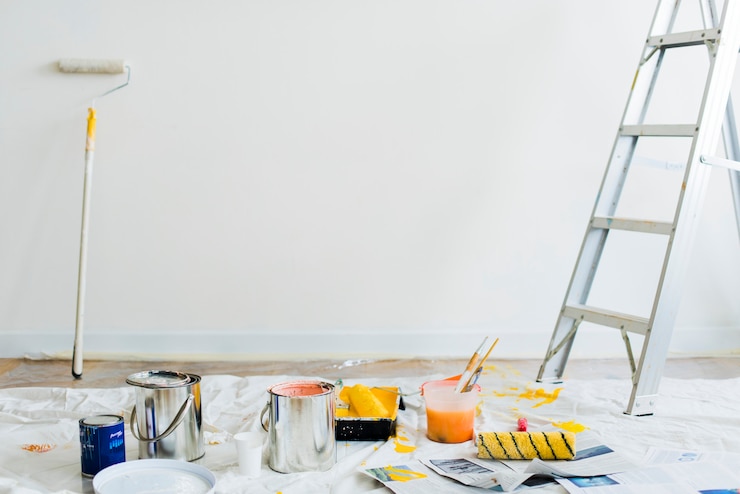
Thinking about giving your home a fresh, new look? One of the easiest and most cost-effective ways to transform your space is with a new coat of paint. Whether you’re preparing to sell or simply want to enjoy a more vibrant or cozy interior, painting can make a huge difference.
But if you live in Colorado Springs, you’ll want to think beyond the basic color wheel. The climate, local design preferences, and even the sunlight here play a role in how your walls should look—and feel.
In this guide, we’re sharing practical, easy-to-follow interior painting tips specifically for Colorado Springs homeowners. Whether you plan to DIY or hire local professionals, this article has everything you need to know.
Why Interior Painting Matters for Colorado Springs Homes
Colorado Springs is unique. With high elevation, bright sunshine, and seasonal swings in temperature, your home’s interior paint has a bigger job to do than just look pretty. It needs to hold up over time, match the local style, and enhance your home’s comfort.
Climate Matters
Because of the intense sunlight at higher altitudes, colors can fade more quickly here than in other places. Choosing high-quality paints with UV protection can help your walls look better for longer.
Style Preferences
Many homes in Colorado Springs lean into natural and earthy color schemes. Think warm grays, soft greens, desert tans, and rustic browns. These hues pair beautifully with wood beams, stonework, and mountain views.
Resale Value
If you’re considering selling in the future, a freshly painted interior can add significant value. Neutral tones that appeal to a wide audience are often the best choice.
Getting Started: Planning Your Interior Painting Project
Before you start opening paint cans, a little planning goes a long way.
Evaluate Your Space
Walk through your home and take note of areas with peeling paint, scuffs, stains, or outdated colors. Determine which rooms need the most attention.
Set Clear Goals
Ask yourself what you’re trying to achieve. Do you want a calmer bedroom? A more energetic kitchen? A brighter living room? Your goals will help guide your color choices and overall approach.
Budgeting
Interior painting can range in cost depending on whether you DIY or hire professionals. Factor in:
- Paint and primer
- Tools (brushes, rollers, tape, drop cloths)
- Repairs (like patching drywall)
- Labor costs if hiring a contractor
DIY or Hire a Pro?
Smaller rooms or accent walls can be manageable for a weekend DIYer. But for whole-home painting, vaulted ceilings, or intricate trim work, hiring experienced painting contractors in Colorado Springs is a smart move.
Choosing the Right Colors: What Works Best Indoors in Colorado Springs
Color can set the mood and make a room feel larger, cozier, or more inviting. But in a place like Colorado Springs, you also have to consider the lighting and environment.
Think About Natural Light
Thanks to Colorado Springs’ abundant sunshine, rooms often receive a lot of natural light. Light bounces off paint differently here than in cloudier regions. Test paint samples on your wall during different times of the day before making a final decision.
Popular Interior Color Trends in Colorado Springs
- Soft earth tones: beige, greige, warm taupe
- Cool mountain shades: sage green, slate blue, forest green
- Modern neutrals: warm white, charcoal gray
- Accent hues: deep navy, burnt orange, rustic red
Match Color with Room Purpose
- Bedrooms: Soft blues or grays for calm and relaxation
- Living Rooms: Warm neutrals or rich accent walls for comfort
- Kitchens: Light greens or yellows for energy and warmth
- Bathrooms: Crisp whites or soft pastels for a clean look
Paint Finish Types: What to Use and Where
Not all paints are created equal. The finish of your paint affects how it looks and how durable it is.
Common Paint Finishes
- Flat/Matte: No shine; hides imperfections. Best for ceilings and low-traffic areas.
- Eggshell: Slight sheen; easy to clean. Great for living rooms and bedrooms.
- Satin: Smooth finish; durable. Perfect for kitchens and hallways.
- Semi-Gloss: More shine; very durable. Ideal for bathrooms and trim.
- Gloss: High shine; shows flaws easily. Best for cabinets and doors.
Tips:
- Avoid flat finishes in kids’ rooms or kitchens where messes happen.
- Use semi-gloss or gloss for trim so it’s easy to wipe down.
- Don’t mix too many finishes in one room—it can look mismatched.
Each finish offers different benefits, so choosing the right one helps your walls not only look better but last longer. For example, satin or semi-gloss finishes are great choices for high-traffic areas, while eggshell works well for most common spaces. Make your selection based on use, style, and ease of maintenance.
Tools and Techniques for a Flawless Finish
Whether you’re painting one wall or your entire home, using the right tools makes all the difference.
Must-Have Tools:
- High-quality brushes and rollers
- Painter’s tape
- Drop cloths or plastic sheeting
- Sandpaper or sanding blocks
- Putty knife and spackle
- Paint trays and stir sticks
Surface Preparation Steps:
- Clean the Walls: Remove dust and grease.
- Repair Holes: Fill nail holes or dents with spackle.
- Sand Smooth: Lightly sand patched areas.
- Prime: Use a primer if covering dark paint or stains.
Painting Tips:
- Cut in first: Use a brush around edges and corners.
- Roll in sections: Use “W” or “M” motion for even coverage.
- Don’t overload: Dip your brush or roller lightly.
- Wait between coats: Follow drying times on the paint can.
Common Interior Painting Mistakes to Avoid
Learning from common mistakes can save you time and frustration.
- Skipping the prep: Skipping surface preparation results in uneven paint application and poor adhesion. Always clean, patch, and prime surfaces before painting to ensure a smooth, professional-looking, and long-lasting finish.
- Not testing colors: Failing to test paint colors can lead to unexpected results. Colors often appear different once dry or under various lighting conditions. Always sample paint on your actual wall first.
- Using low-quality tools: Cheap brushes and rollers can shed bristles and leave streaks on your walls. Investing in high-quality painting tools helps achieve a cleaner, smoother finish with less frustration and effort.
- Painting too quickly: Rushing through a paint job often causes drips, uneven coverage, and visible roller marks. Take your time and apply paint in steady, controlled strokes for the best end result.
- Poor ventilation: Painting in a poorly ventilated room slows drying and traps strong fumes inside. Always open windows or use fans to improve air circulation and ensure a safe, efficient drying process.
Seasonal Painting Tips for Colorado Springs
Thanks to its variable climate, timing your painting project in Colorado Springs is important.
Best Seasons to Paint:
- Spring and Fall: Mild temperatures and low humidity make paint dry evenly.
- Winter: Indoor painting is possible, but ensure proper ventilation and indoor heating.
Local Weather Tips:
- Avoid painting during extremely dry or humid days.
- Use low-VOC paints in winter to minimize indoor fumes.
- Keep windows cracked or fans running to help air circulate.
When and Why to Hire Residential Painting Services
Sometimes, it’s just better to leave it to the pros.
Benefits of Hiring Professionals:
- Expert color advice
- Perfect, clean edges and finishes
- Faster project completion
- Less mess and stress for you
If you’re considering residential painting services in Colorado Springs, look for companies with great reviews, experience with local homes, and detailed estimates.
One trusted name in the area is EverCrest Painting. They’re known for high-quality work, great customer service, and attention to detail—making your home improvement process seamless from start to finish.
Maintaining Your Painted Interiors
After all that work, you’ll want your new paint job to last as long as possible.
Simple Maintenance Tips:
- Dust walls regularly: Use a microfiber cloth or vacuum attachment.
- Clean marks gently: Use a damp sponge and mild soap on satin or gloss finishes.
- Touch up: Keep leftover paint labeled for future touch-ups.
- Watch for damage: Address chips or water stains early.
Most interior paint jobs last 5 to 10 years, depending on traffic and wear. Areas like hallways, kitchens, and children’s rooms may need attention more often due to higher use. Regular maintenance keeps your walls looking fresh and prevents small issues from turning into big repairs.
Gentle cleaning techniques, using the right products, and keeping an eye out for signs of wear can go a long way. A little effort now means your space stays beautiful and vibrant for years to come—protecting the time and investment you’ve put into your home.
Conclusion
Painting your home is one of the easiest ways to make a big impact. From choosing the right color palette to applying the perfect finish, every step plays a role in how your space looks and feels.
If you’re in Colorado Springs, paying attention to the local climate, lighting, and design trends can help you get the best results. Whether you’re taking on a small weekend project or planning a full-home refresh, the tips in this guide are here to help.
And when you’re ready to hand off the hard work, consider Evercrest Painting. Our team brings experience, precision, and a friendly touch to every home we paint.
Related blog topics you may be interested in:
A Fresh, Modern Update: The Power of a Cohesive Interior Repaint
The Importance of Professional Commercial Interior Painting for Colorado Springs Businesses
Christmas in July? 7 Times of Year You Never Thought to Book a Painting Project (But Should)
When is the Right Time to Paint My Home Interior
Top Color Trends for Commercial Interiors in Colorado Springs
FAQs
1. What is the best time to paint interiors in Colorado Springs?
Spring and fall offer the best conditions for interior painting in Colorado Springs, thanks to mild temperatures and lower humidity. However, painting can be done year-round if you manage indoor climate properly. Just make sure your space is well-ventilated and warm enough for the paint to cure evenly.
2. How do I choose between paint finish types?
Choosing the right paint finish depends on where you’re painting and how much wear the surface will experience. Flat hides imperfections but isn’t easy to clean. Satin and eggshell are great for walls, while semi-gloss and gloss work best on trim, doors, and areas that require frequent cleaning.
3. Should I hire a painter or do it myself?
If you’re confident and the project is small, DIY can be rewarding. But for larger rooms, high ceilings, or detailed trim work, hiring professionals is often the better choice. A pro can deliver cleaner lines, faster results, and longer-lasting finishes—saving you time and hassle in the long run.
4. How long does interior paint typically last?
A good interior paint job usually lasts between 5 and 10 years, depending on room usage and paint quality. High-traffic areas like hallways, kitchens, and children’s rooms may show wear sooner. Keeping walls clean and touching up chips early can help extend the life of your paint.
5. Can color really affect mood or space perception?
Absolutely. Colors influence how we feel in a space. Cool tones like blue and green create a calm, relaxing vibe, while warm shades like yellow and red add energy. Light colors make small rooms appear bigger, while darker hues can create a cozy, grounded atmosphere in larger areas.
Data has shown a significant connection between colors and our responses to them, our moods and energy levels.